



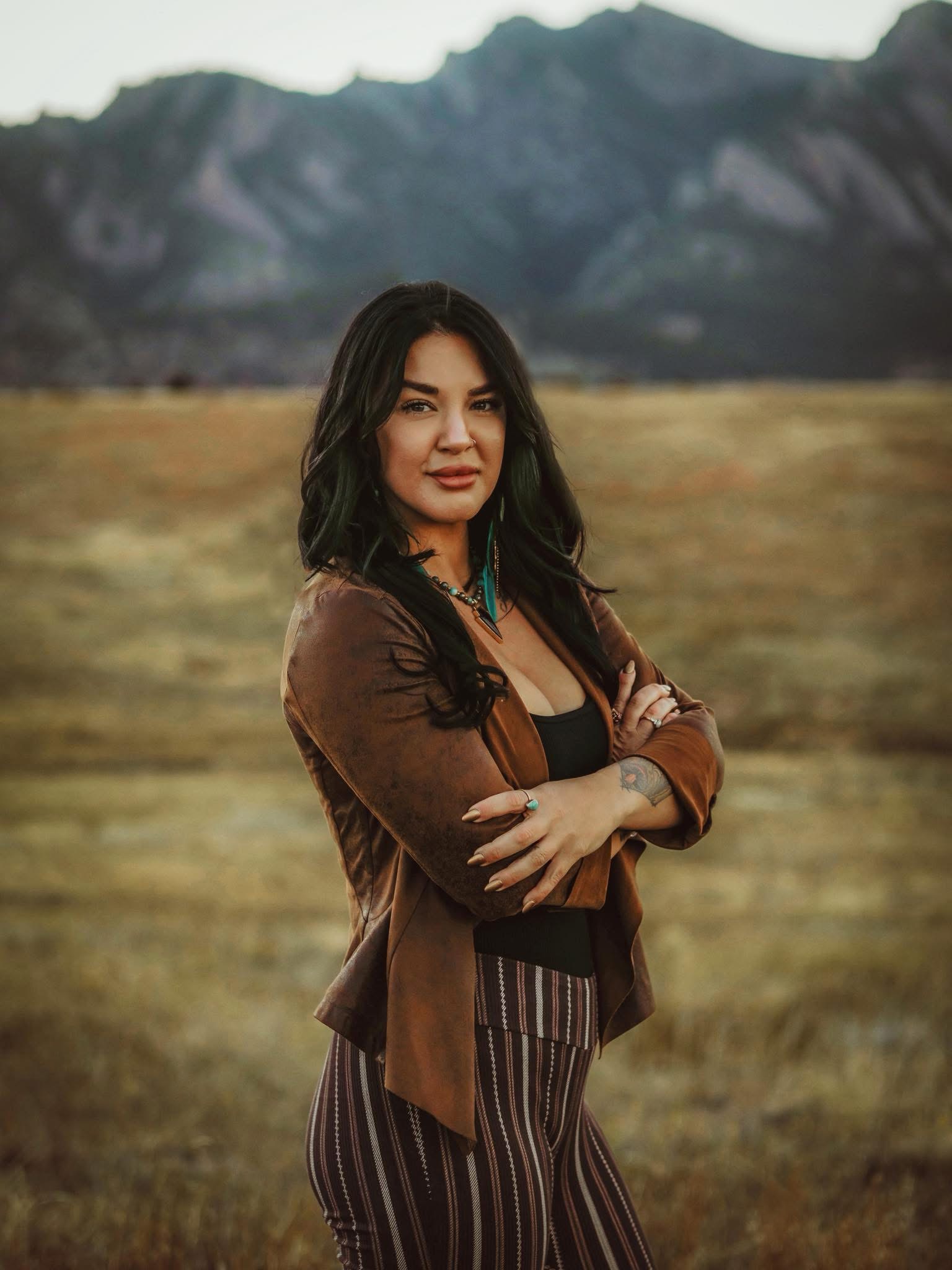
Amy Taylor shared their story and experiences with us recently and you can find our conversation below.
Amy , it’s always a pleasure to learn from you and your journey. Let’s start with a bit of a warmup: What are you most proud of building — that nobody sees?
Some of the most meaningful work we do is never meant to be visible. What I’m most proud of building is the invisible foundation behind Psyche Soul Revival—the slow, intentional work that happens long before anyone ever sees an experience or outcome.
For the past four years, alongside my photography career, I’ve been quietly investing in education, mentorship, and ethical frameworks around psychedelic preparation and integration. Much of this work happens behind closed doors: developing trauma-informed practices, learning how to hold space responsibly, and building support systems that prioritize safety, consent, and aftercare with psilocybin at the center of this journey.
Because of the evolving legal landscape, much of what I’ve built has had to remain behind the scenes—particularly in states like Oregon and Colorado where regulation is still taking shape. That has meant focusing on preparation sessions, integration support, group retreats, and private experiences that center reflection, emotional processing, and long-term wellbeing rather than the experience itself.
I’m proud that Psyche Soul Revival wasn’t rushed. It was built slowly, with respect for the law, the medicine, and the people involved. What most people don’t see is the years of study, the countless integration conversations, and the collaborative network of practitioners that exist to support clients before and after transformative experiences. That unseen work is the part I value most.
Can you briefly introduce yourself and share what makes you or your brand unique?
I’m Amy Taylor, a photographer of more than fifteen years whose work has always centered on people at pivotal moments in their lives. Over time, that work naturally expanded beyond the camera and into deeper conversations around healing, meaning, and integration.
That evolution led to Psyche Soul Revival, a harm-reduction–focused practice centered on psilocybin facilitation, education, and intentional support. Through Psyche Soul Revival, I offer group retreats, private experiences, preparation sessions, and integration work—all designed to help clients approach altered states and personal exploration responsibly, ethically, and with care.
The work is collaborative by design. I partner with trusted practitioners, including Dr. Quinn, a physician. About Dr. Quinn:
Dr. Jordanna Quinn is a board-certified PM&R physician with advanced training in Regenerative Medicine, Longevity Medicine, and Psychedelic Medicine. She is known for blending science with soul, helping patients heal at the physical, emotional, and cellular level.
Her work in psychedelic medicine focuses on safe, evidence-based preparation and integration, using these tools to help people break old patterns, improve nervous system resilience, and reconnect with a deeper sense of meaning. She has guided many patients through a variety of psychedelic journeys, always emphasizing brain safety, intention, and long-term growth.
Dr. Quinn is also the creator of the Quinntessential Journey — a curated line of supplement packs designed to support each stage of the healing experience. Connect, Illuminate, and Heal give patients targeted nutrients that protect the brain, calm inflammation, and support recovery before and after psychedelic work.
Rooted at the base of the Rocky Mountains, Dr. Quinn’s work brings together regenerative medicine, longevity, and consciousness to help people live fully, heal deeply, and thrive with purpose.
What makes Psyche Soul Revival unique is the emphasis on process rather than experience. Clients can choose between 12- or 24-week containers that include preparation, guided reflection, and integration support, with outside practitioners involved when appropriate. The focus is on helping individuals make sense of their experiences and apply insight thoughtfully to everyday life.
My work lives at the intersection of creativity, consciousness, and harm reduction. Whether through photography or guided facilitation, I’ve always been drawn to helping people slow down, witness themselves more clearly, and build sustainable practices that support long-term wellbeing.
For our beloved Dallas clients and other traveling participants, retreats in Southern Colorado are easily accessible, with connecting flights from Dallas to Colorado Springs and convenient access via Denver International Airport.
Amazing, so let’s take a moment to go back in time. What did you believe about yourself as a child that you no longer believe?
As a child, I carried a deep belief that difficult circumstances were somehow my fault—that if I were different, quieter, or better, things around me would feel safer or more stable. That belief followed me well into adulthood.
Through intentional inner work, including guided altered-state work and internal parts-based approaches, I began to understand how that belief formed as a protective response rather than a truth. I was able to meet those younger parts of myself with compassion instead of judgment and release responsibility for experiences that were never mine to carry.
Letting go of that belief didn’t happen all at once, but it fundamentally changed how I relate to myself and others. It’s one of the most meaningful shifts in my life and continues to inform how I approach facilitation, harm reduction, and integration work today.
Was there ever a time you almost gave up?
There were many moments when giving up felt like the easier option—particularly during the years when the work I was doing didn’t yet have language, structure, or public support. Holding personal healing alongside professional responsibility can be isolating, especially in spaces that are still emerging and misunderstood.
That uncertainty was compounded by very real, practical choices—including relocating my four children across the country to be closer to states where thoughtful regulation and legalization were beginning to take shape. It wasn’t a move made lightly; it was rooted in long-term vision, safety, and the belief that this work deserved to be built responsibly.
What those periods taught me—something success never could—was patience and discernment. Suffering clarified my values and deepened my respect for responsible access, education, and harm reduction. It also revealed how necessary advocacy is—not as a fight, but as steady, informed participation in conversations around safety, ethics, and legalization.
The shift came when I stopped trying to hide the parts of myself shaped by difficulty and instead let them inform how I show up. That meant using lived experience not as a headline, but as quiet fuel for advocacy, education, and systems that protect people. That decision changed everything. It allowed my work to become sustainable, ethical, and rooted in service rather than survival.
So a lot of these questions go deep, but if you are open to it, we’ve got a few more questions that we’d love to get your take on. What are the biggest lies your industry tells itself?
One of the biggest misconceptions is that this work—or psilocybin facilitation more broadly—is a trend, a quick fix, or a shortcut to wellness. Another is the belief that we can only rely on external, Western medicine to heal or manage ourselves, that we lack the agency to do the inner work needed for true growth. The truth is the opposite: this is an ancestral, indigenous medicine that has been used for centuries with intention, respect, and ritual. It’s a highly intelligent and nuanced medicine, and when approached responsibly, it reveals foundational shifts in consciousness rather than fleeting “results.”
Part of my commitment is protecting the cultural and ethical integrity of this work. This medicine was never designed for casual overuse; it is sacred, and its power lies in careful, intentional engagement. Treating it otherwise not only diminishes the experience but risks undermining centuries of wisdom. Honoring it is about reclaiming personal agency, cultivating insight, and allowing it to serve as a teacher, guide, and catalyst for meaningful, long-term growth.
Thank you so much for all of your openness so far. Maybe we can close with a future oriented question. Are you doing what you were born to do—or what you were told to do?
I often reflect on whether I’m doing what I was born to do or what society expected of me. Raising four children as a single mom while pursuing work in photography and psilocybin facilitation hasn’t been easy, but it has made me deeply aware of the legacy I’m creating for them. Every decision I make—every move across the country, every boundary I set, every value I hold—is part of showing them what it means to live with intention, responsibility, and self-agency.
For me, legacy isn’t just about professional achievement; it’s about the example I leave for my children—the ways they learn to support themselves, navigate society, and raise their own families. Choosing this path is not the easiest route, but it’s the one that aligns with who I truly am, rather than what I was told I should be. That alignment is the inheritance I hope to pass on: courage, integrity, and the confidence to live authentically.
Contact Info:
- Website: https://psychesoulrevival.com
- Instagram: @psychesoulrevial
- Facebook: Psyche Soul Revival
- Other: [email protected]
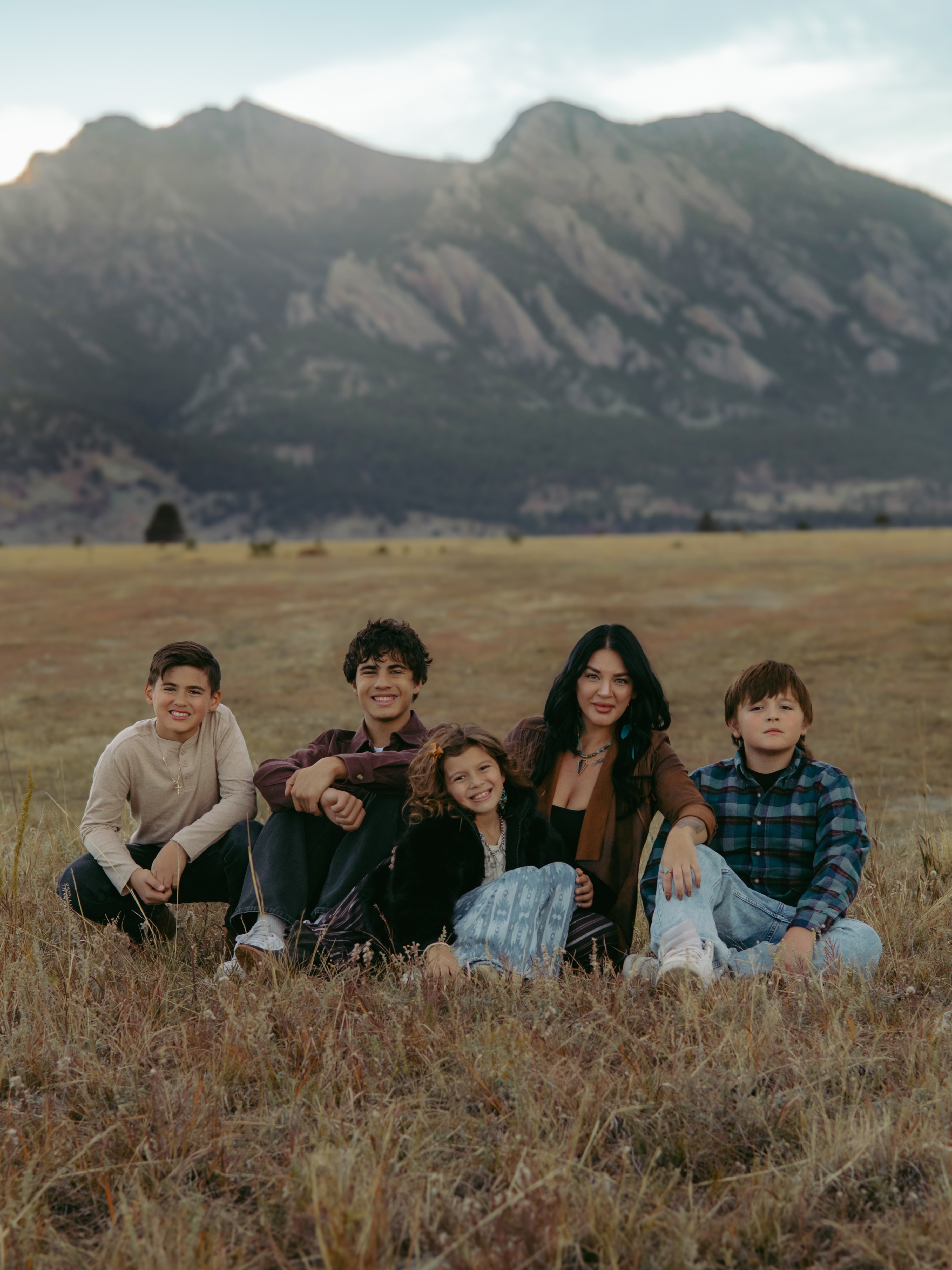
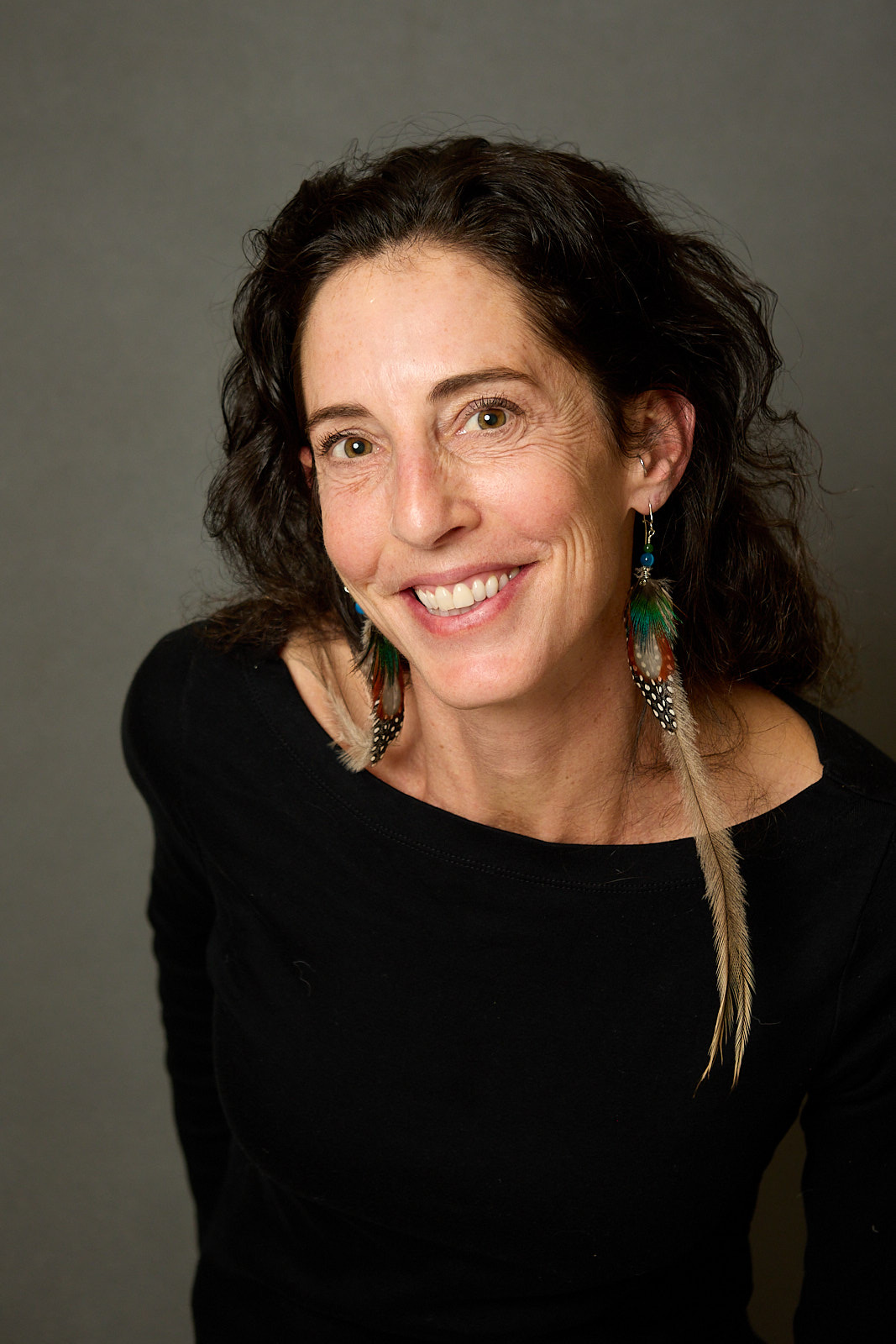
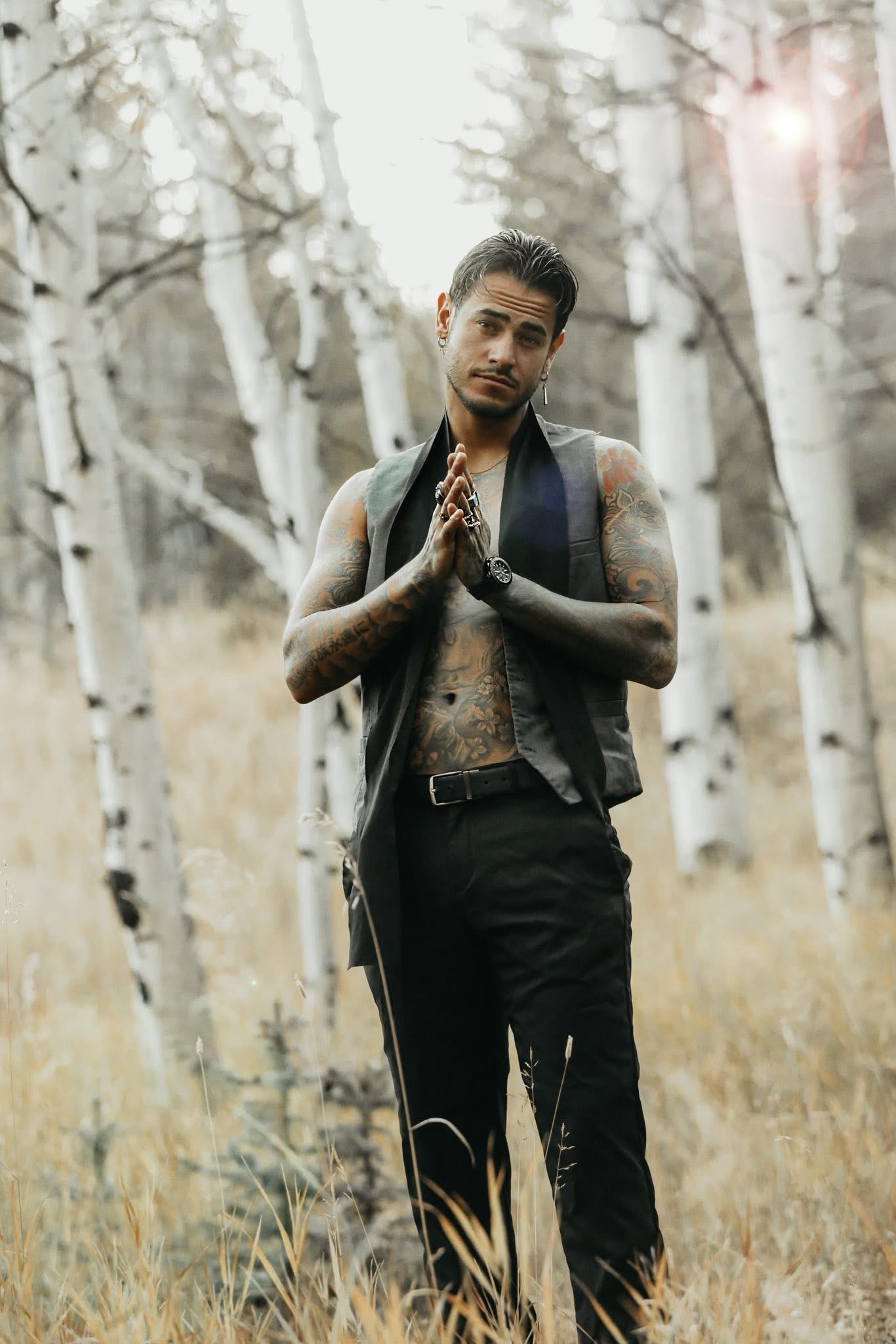
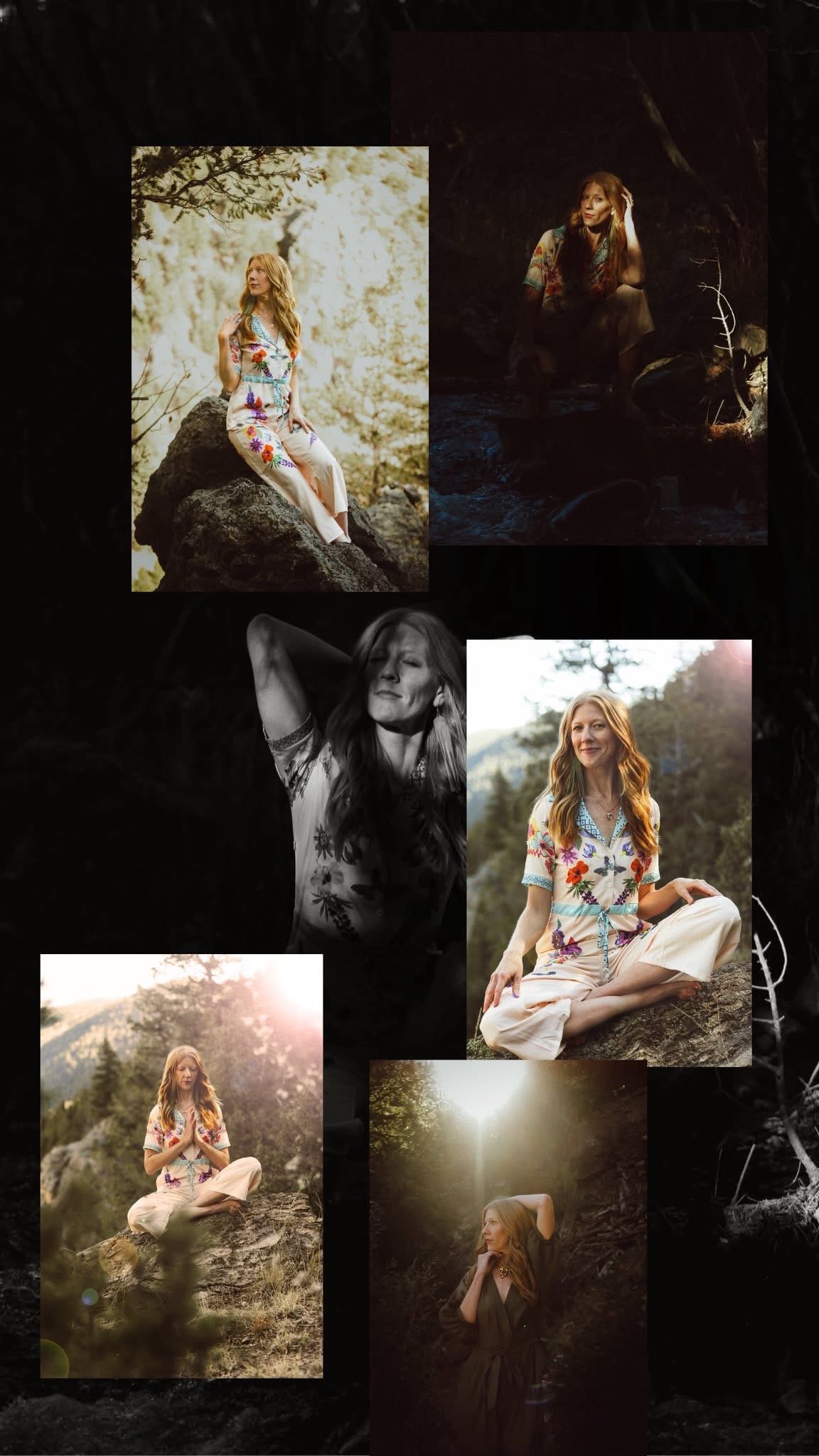
Image Credits
Self- Amy Taylor- A Taylored Image
I DO WANT TO NOTE, I AM THE ONE IN THE BROWN TOP FOR MY HEADSHOT….. THE FAMILY PHOTO IS OF ME AND MY CHILDREN.
THE HEADSHOT OF DR. JORDANNA QUINN IS THE PHOTO WITH THE WOMAN INDOOR SHOT WITH THE LONG FEATHER EARRING…
THE PHOTO COLLAGE IS OF TERRI SHELTON, PHOTOGRAPHS I TOOK, SHE IS ALSO A PSILOCYBIN FACILITATOR.
THE PHOTO OF THE MAN IS MICHAEL ST. CROIX —A MODEL I DO PHOTOS FOR TAKEN BY ME
Popular
-

The Trailblazers: Rewriting the Narrative
-

Hidden Gems: Local Businesses & Creatives You Should Know
-

Denver’s Most Inspiring Stories
-

Designing Bold, Lived-In Spaces: How April Stites Is Blending Artistry and Function in Modern Home Design
-

Shaping Strength and Stillness: Carlos Flores on Craft, Culture, and a Life Worth the Effort


